By an Experienced Sanitary Ware Manufacturer
As global demand for intelligent bathroom solutions continues to grow, smart toilets have become a key category for distributors, importers, and project contractors. However, selecting the right product is not only about features—it is about reliability, adaptability, cost control, and long-term value.
Based on years of OEM/ODM manufacturing experience, this guide outlines the critical factors B2B buyers should evaluate when sourcing smart toilets.
Not all smart toilets are created equal. Buyers must align product features with their target market.
Typical smart toilet functions include bidet washing, heated seats, air drying, and automatic flushing .
Example:
👉 Insight: Over-specification increases cost without improving sell-through in mid-range markets.
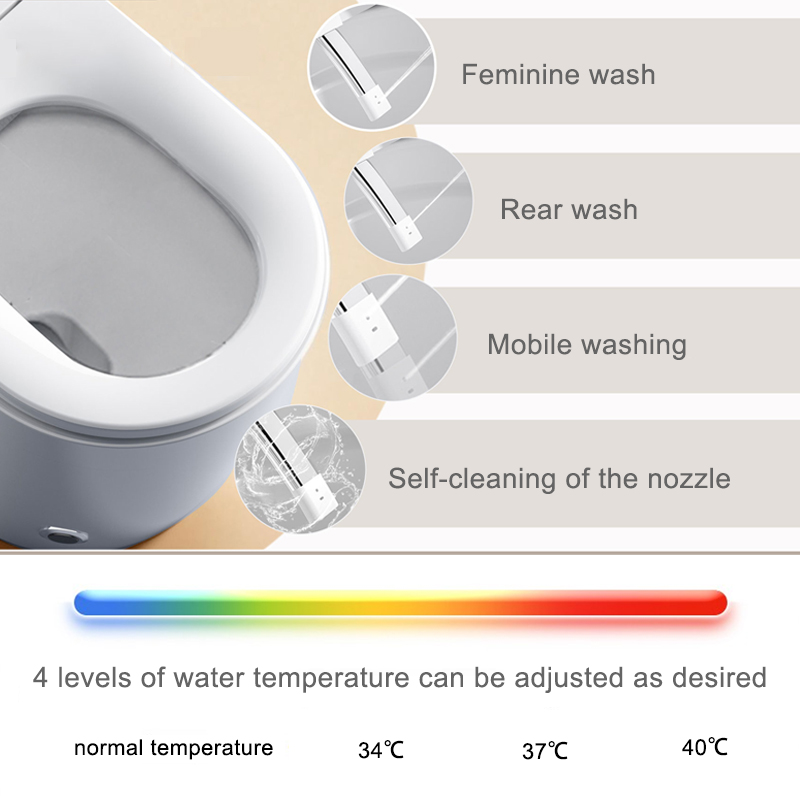
From a supplier perspective, the most important factor is not “how many functions” but how stable they are over time.
Example:
👉 For B2B buyers, fewer but more reliable functions often outperform feature-heavy models in real-world use.
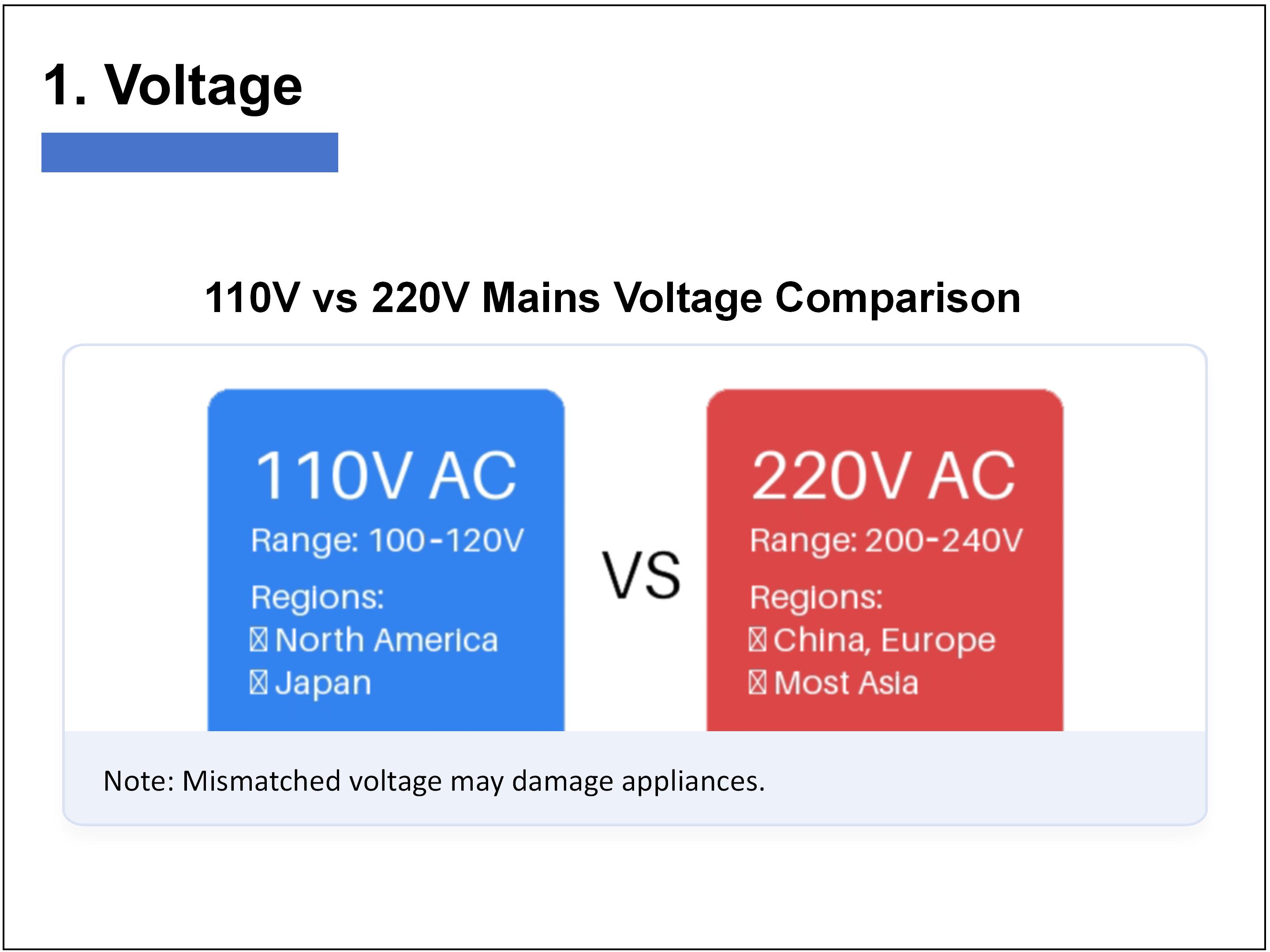
Smart toilets must adapt to different regional infrastructures.
Typical requirements include:
Example:
👉 Always confirm certification and adaptability before bulk purchasing.
One of the most overlooked factors in procurement is installation compatibility.
Example:
👉 For distributors, choosing universal-fit designs reduces returns and simplifies sales.
The primary value of a smart toilet lies in hygiene and comfort.
Modern systems offer:
Example:
👉 Products that clearly improve daily comfort have higher repeat purchase rates.
Sustainability is becoming a decisive factor in large-scale procurement.
Example:
👉 For government or commercial projects, energy-saving certification can be a key bidding advantage.
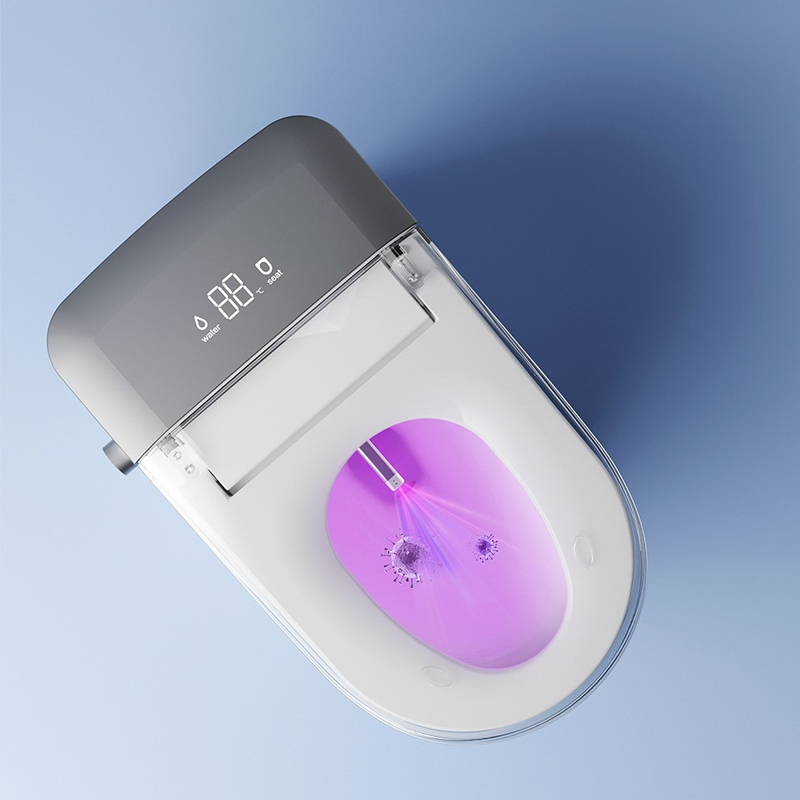
For B2B buyers, product differentiation is crucial.
An experienced manufacturer should offer:
Example:
👉 Flexible OEM/ODM capability directly impacts your competitiveness in local markets.
Smart toilets are electronic products—after-sales service is unavoidable.
Example:
👉 For importers, poor after-sales support can quickly damage brand reputation.
Modern buyers value both function and aesthetics.
Example:
👉 For real estate developers, design is often as important as functionality.
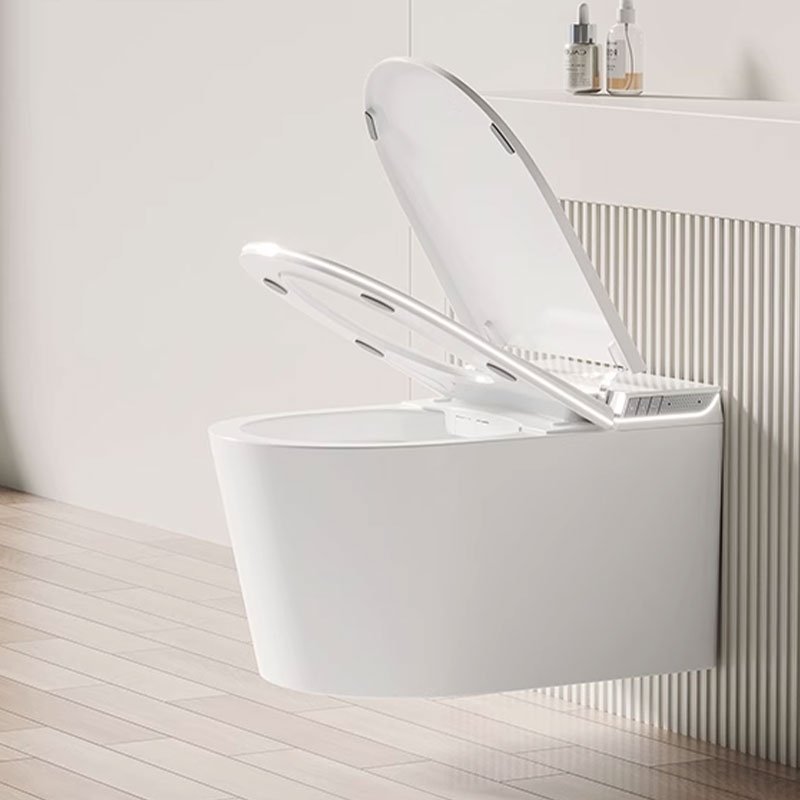
Finally, procurement decisions must balance cost and profitability.
Example:
👉 The best strategy is a tiered product portfolio, covering multiple price segments.
Choosing the right smart toilet is not just about selecting a product—it is about selecting a long-term business partner and product strategy.
For B2B buyers, the key priorities should be:
With the right supplier and product positioning, smart toilets can become a high-growth category with sustainable margins and strong market demand.
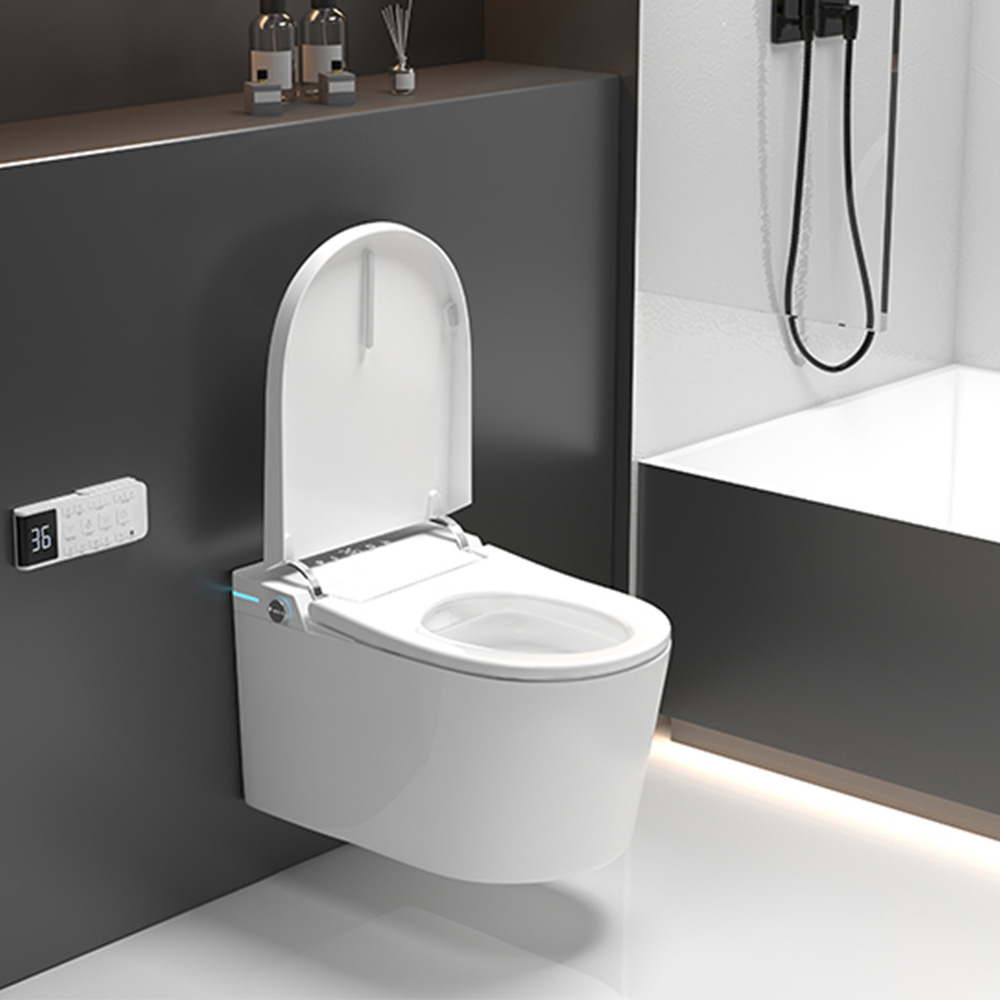
Wall-mounted Series
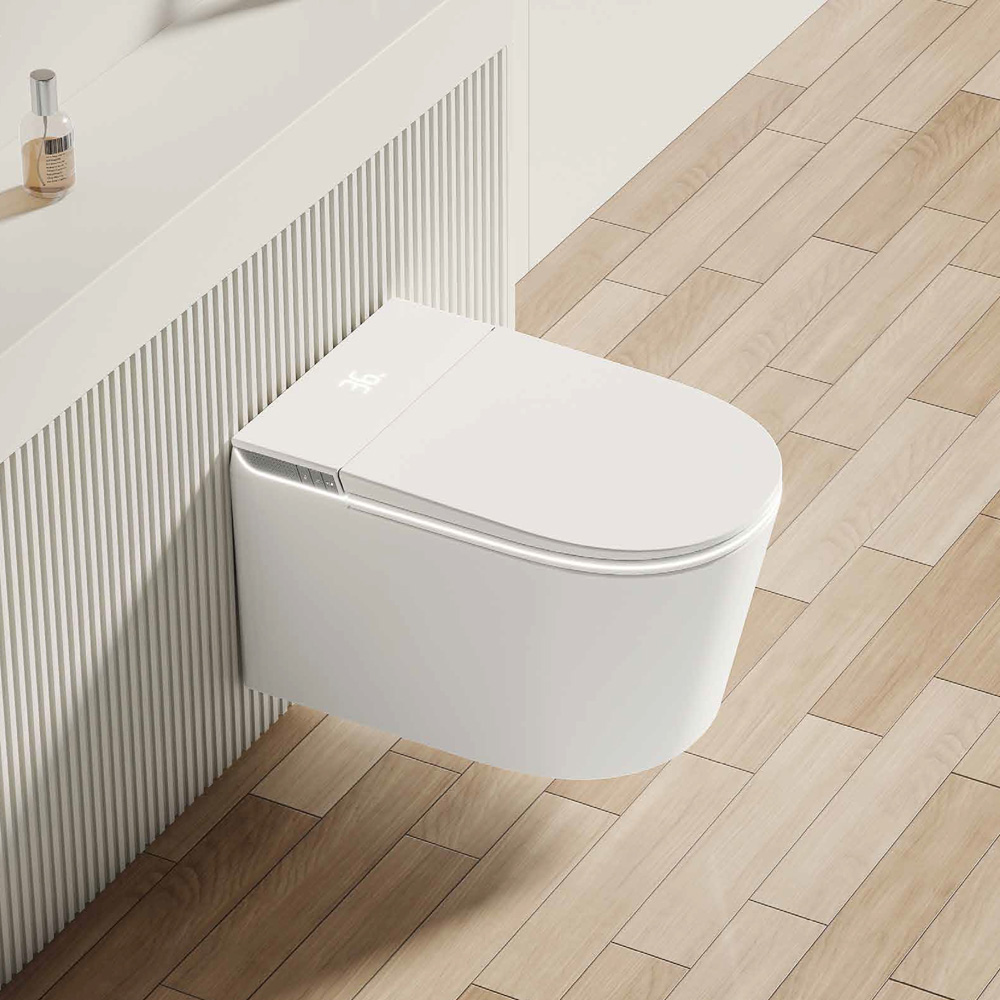
Wall-mounted Series
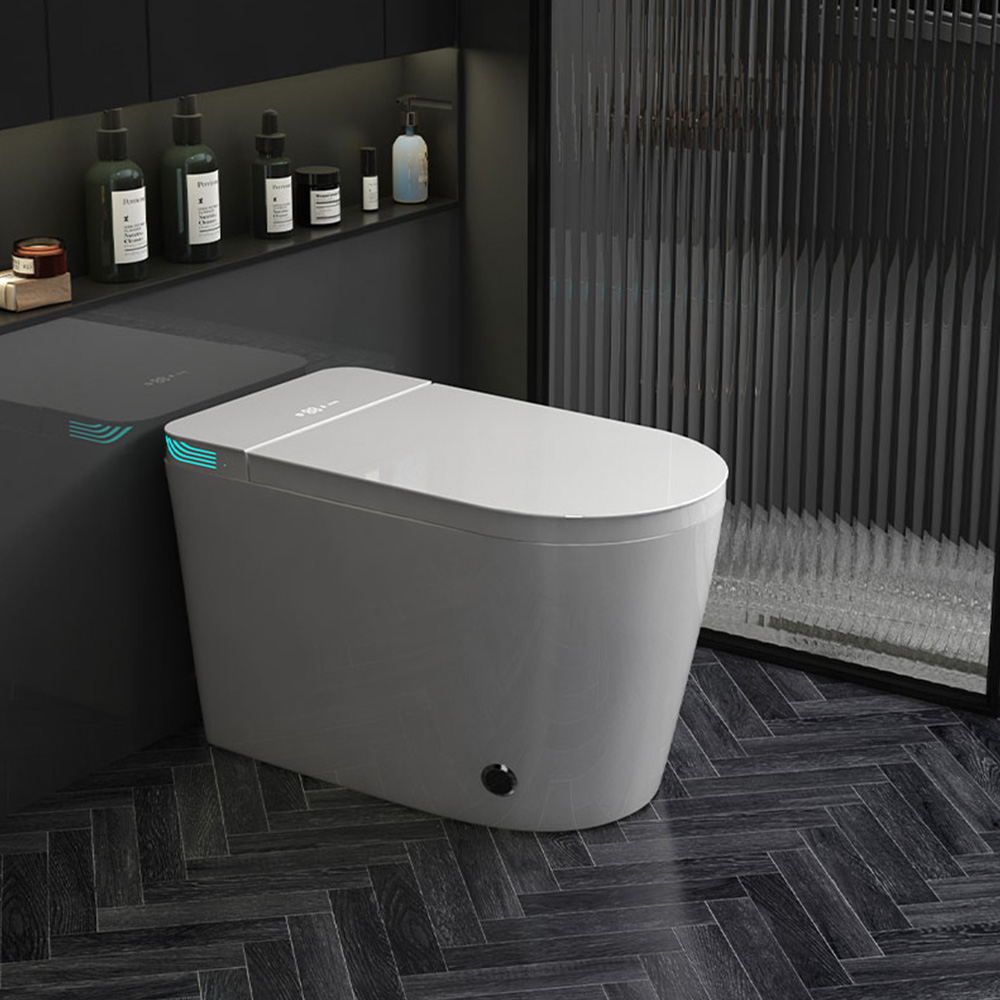
High-end Series
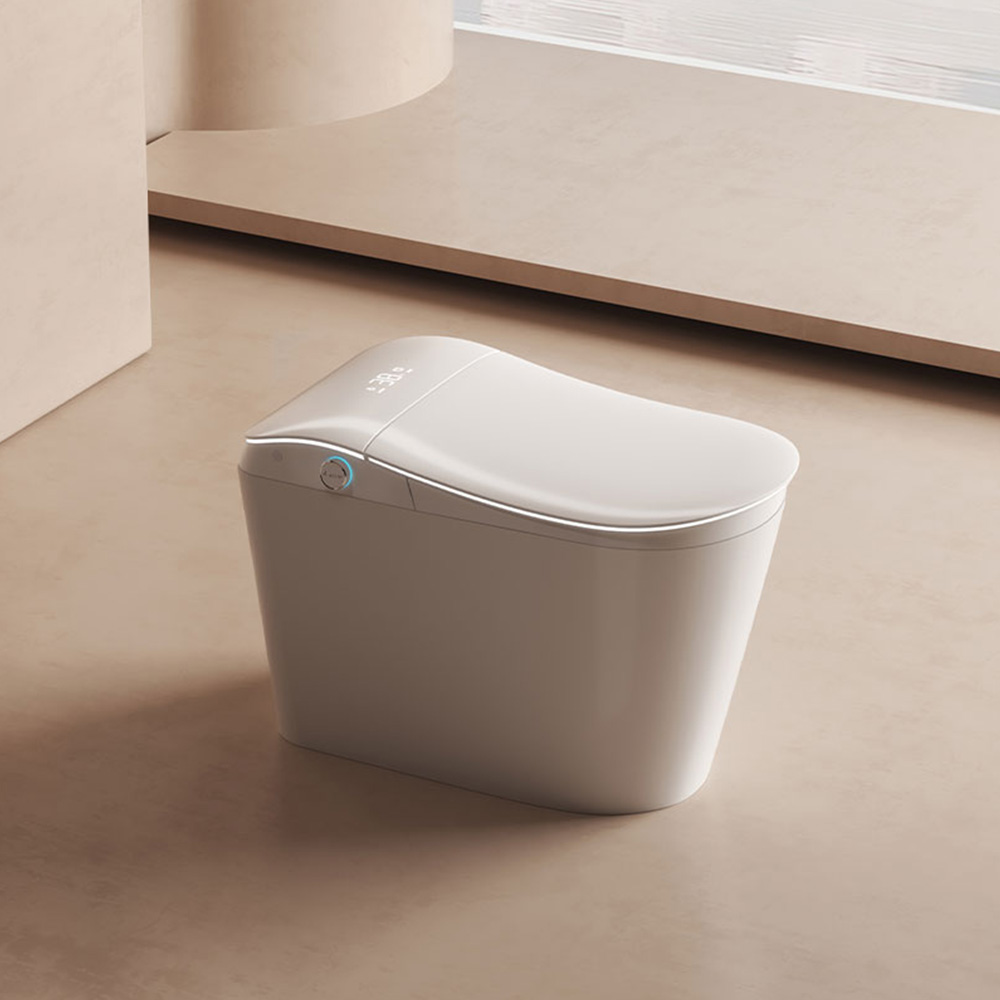
High-end Series
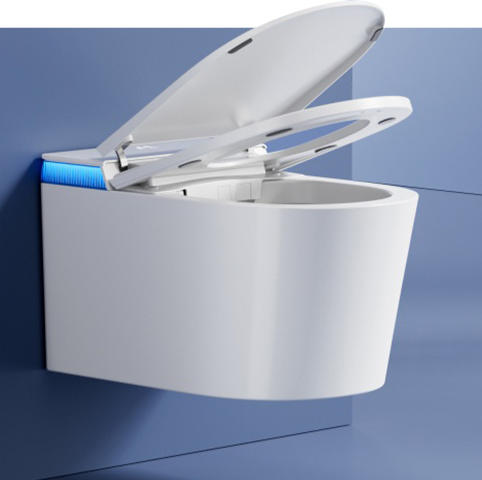
Wall-mounted Series
Large-format Series